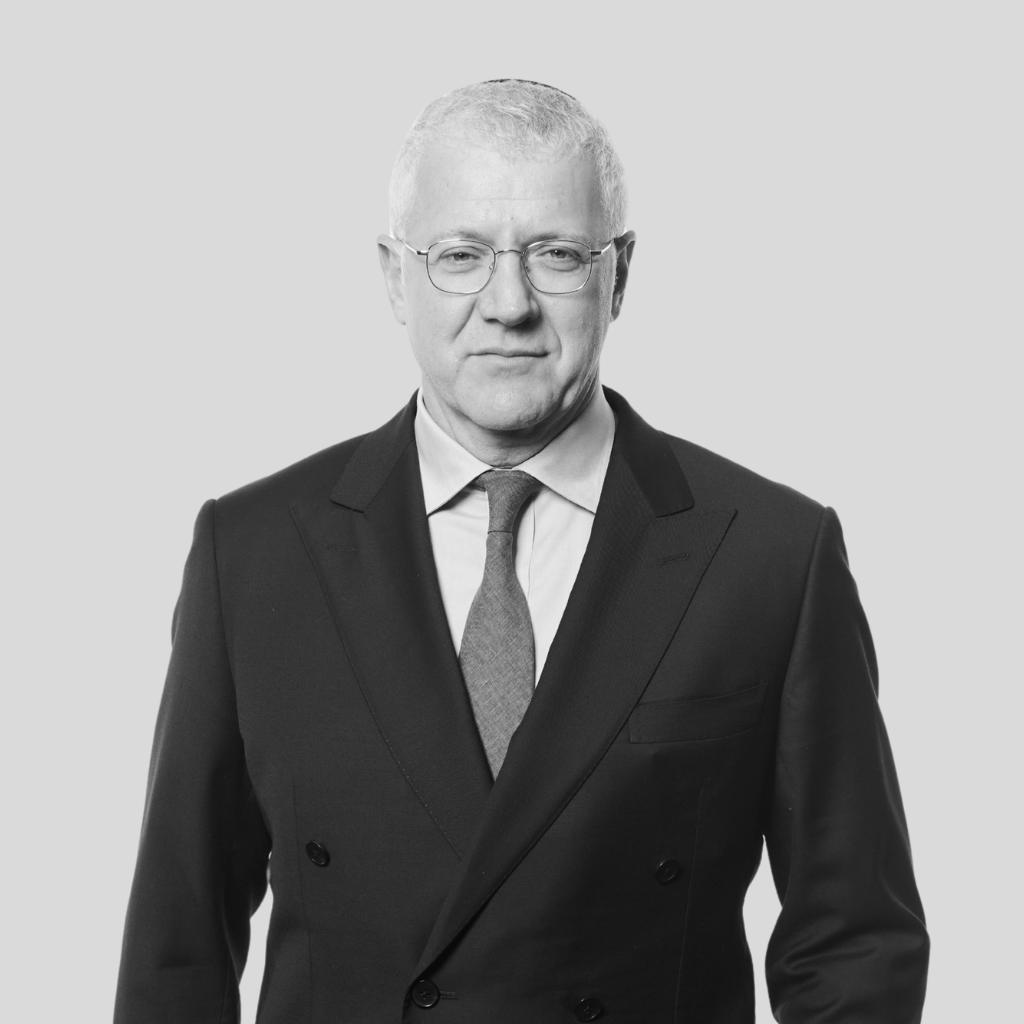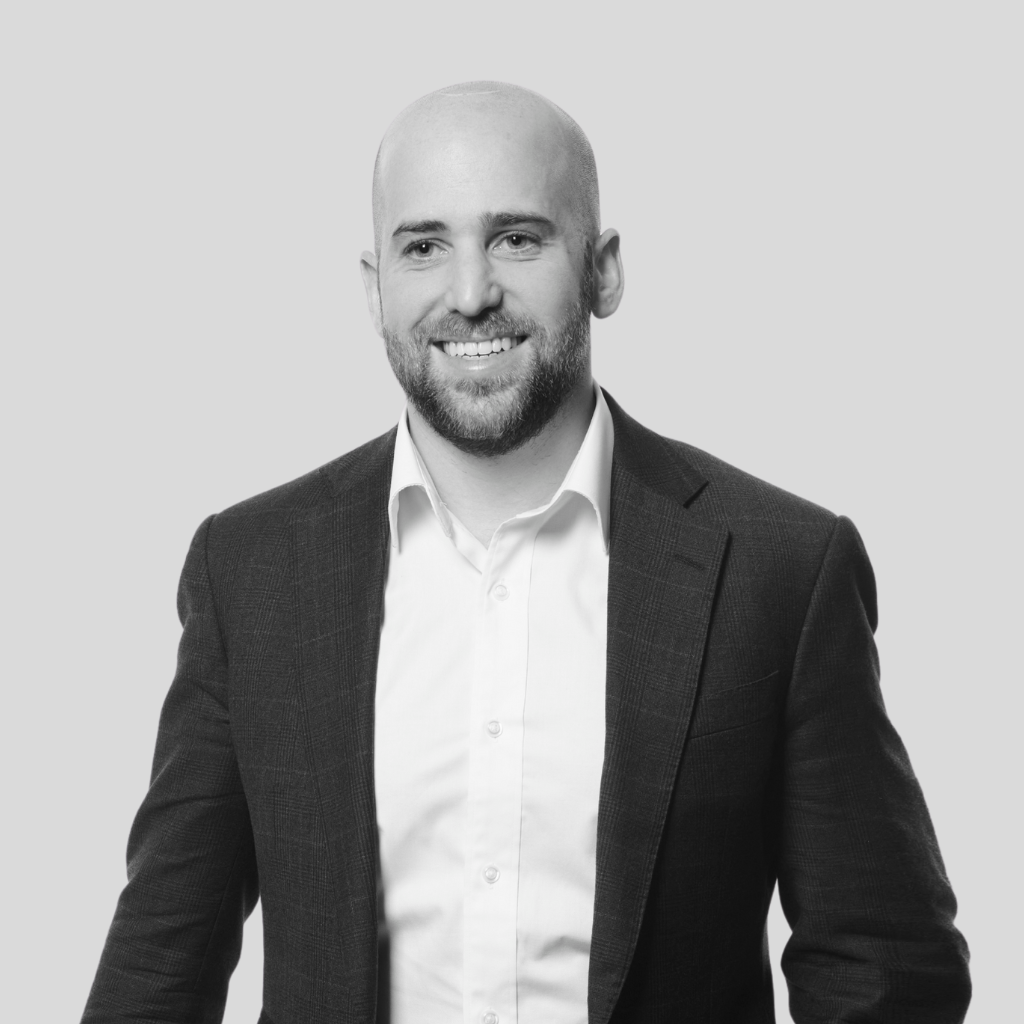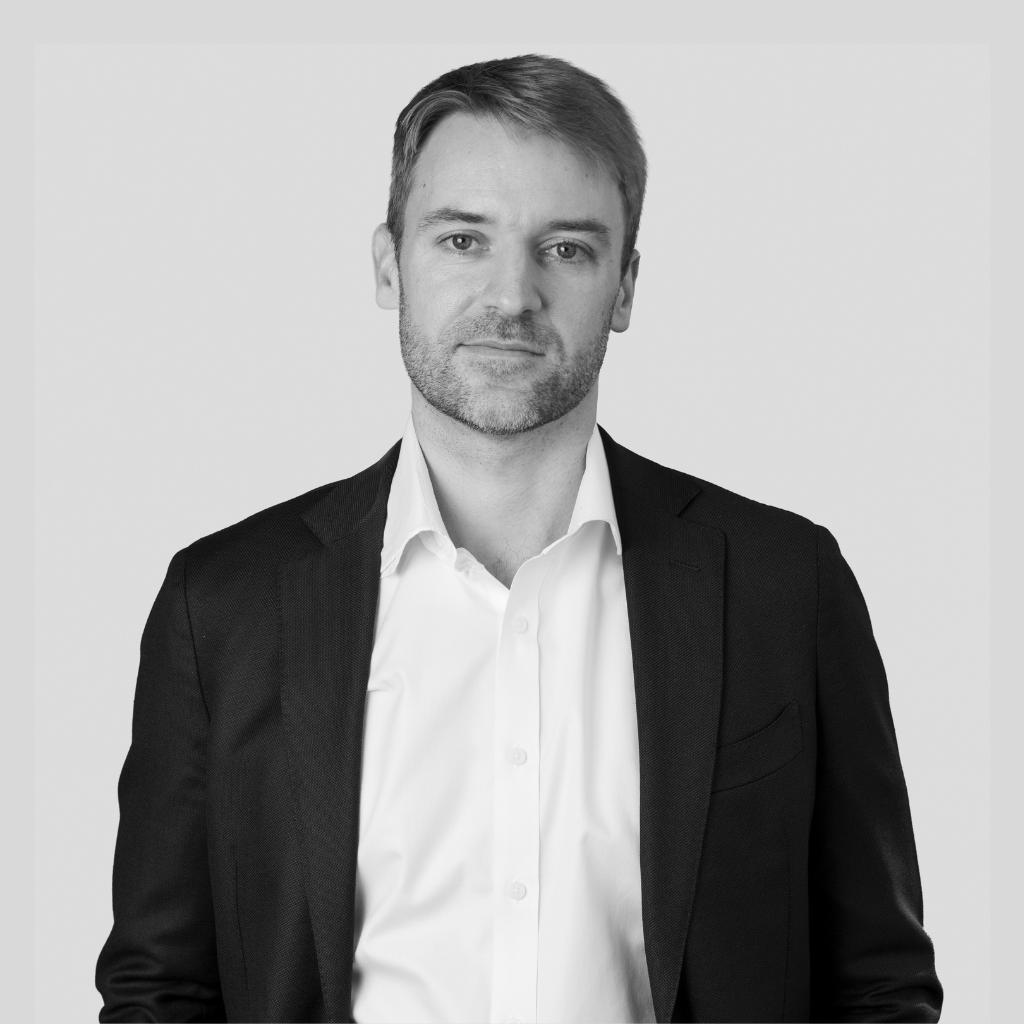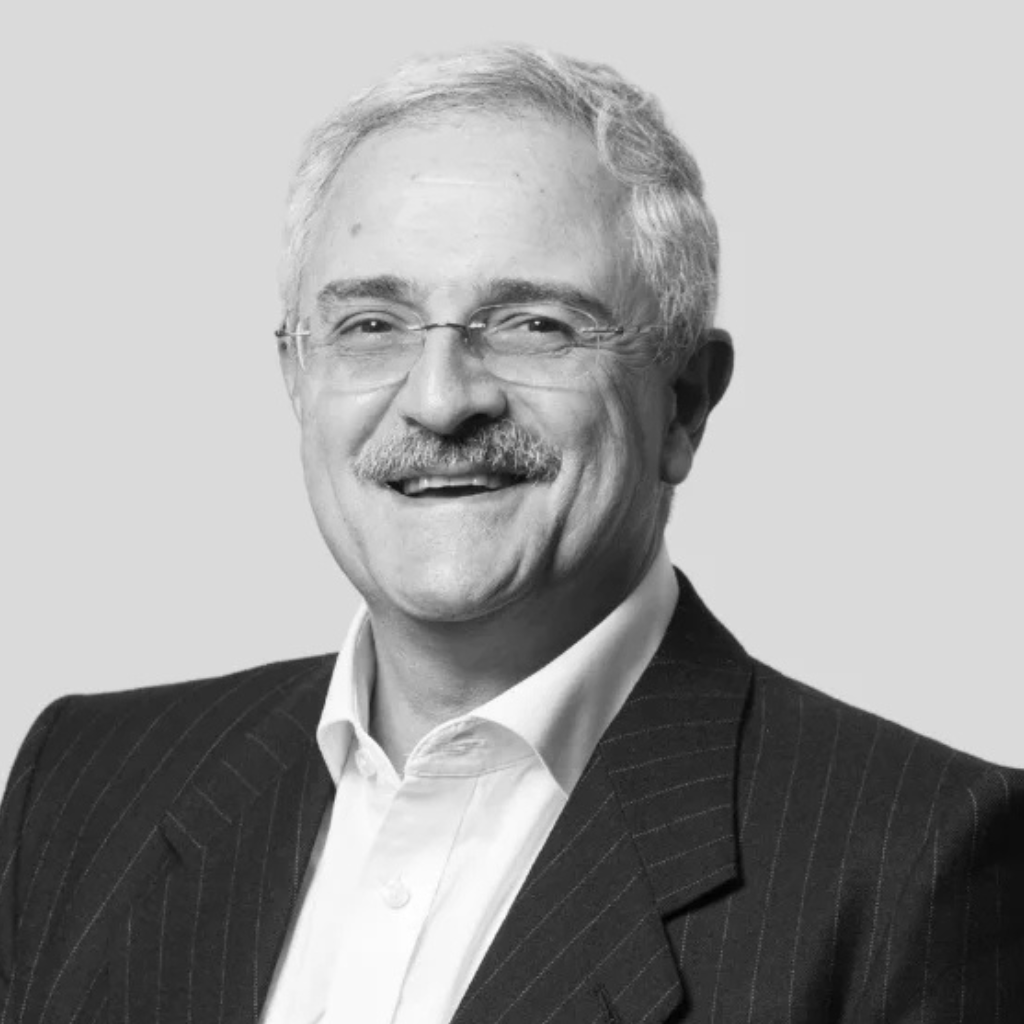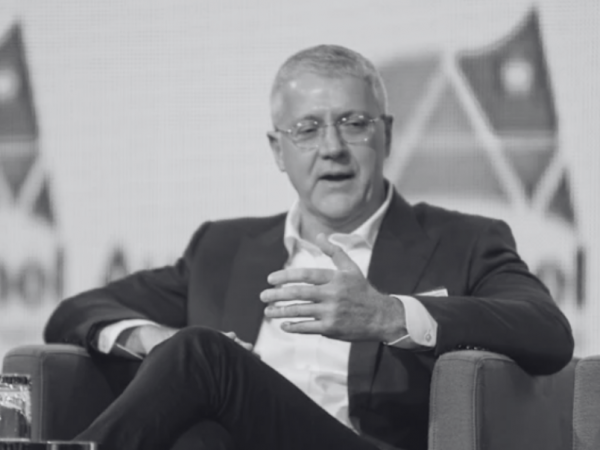
Today, Yoni Cukierman carries that spirit into a different arena. Not in manufacturing, but in boardrooms and across balance sheets as the chief executive of Fancourt Capital Group. Yet at its core, his work is underpinned by the same forces that defined his grandfather’s life.
“When I think about what it means to take a long-term view, to be patient and persistent, to create value from the ground up, it is Henry I think of first,” he says.
“I try to draw on that heritage in everything I do. Firstly, it is that determination, sense of purpose and capacity for entrepreneurialism. But that is balanced by how he connected with others, whether it was his brothers, his wife or the family they had built. That was really important throughout his life.”
When Cukierman first encountered Wingate in 2021, he was coming off a career in investment banking, mergers and acquisitions (M&A) and private equity. He had graduated from Melbourne University with a Finance honours degree and joined Credit Suisse’s investment banking group, where he worked for three years. In 2015, he took a strategy and M&A role at logistics giant Toll Holdings in Australia and then a leadership role in Singapore, where he enjoyed deep exposure to how large, complex businesses operate. Navigating a highly complicated stakeholder environment at Toll, between offshore owners, other senior management, operational teams and various divisions, provided valuable lessons on influence.
“Demonstrating value, building rapport and leveraging this connection to draw out insight and buy-in were key. I learnt the difference between being right and being effective, a lesson that has stayed with me ever since,” he says. But more importantly, Toll reshaped his ambition. Transaction work, he realised, was only one part of the equation. What mattered more was what came after: building, stewardship and the long term creation of value.
Today Cukierman is best understood not as a banker, but as a builder of capital platforms – someone at the forefront of a structural shift in how capital flows in Australia as traditional lenders retreat and private capital steps in.
“What energises me is building businesses and long term value. When I joined Wingate in 2021, what drew me in was the entrepreneurial model. The willingness to incubate and grow financial services businesses from early stages, to take a genuinely long-term view, and to partner deeply with management teams along the way,” he says.
“At Fancourt, we are very much in the business of platform building. Our portfolio companies – ORDE, NOW Finance, Fifo Capital and Talaria – are each at different stages of growth, and our task is to be the kind of partner that helps each reach its full potential.”
He endeavours to be an empowering leader, someone who sets high standards yet seeks people to find their own way to meet them, rather than prescribing every interim step. But it is a journey, and that empowerment needs to be balanced with collaboration. “Direct conversations, when they come from a genuine place of care and respect, also build stronger teams and better outcomes,” he says.
The secret sauce of Fancourt, he says, has three simple elements: Its patient, long- term investment view; a genuine partnership approach; and bold entrepreneurialism. Three things done consistently and with conviction. “What that means in practice is that we look at investment situations differently to many of our peers. We are willing to be creative, to find angles and solutions that others might not see, to manage risk carefully while also seeing value where it isn’t yet obvious,” he says. “We are building from a very strong foundation. Fancourt carries the values and the cultural DNA of two decades of Wingate, an institution built on trust, integrity and relationships.”
Currently Fancourt’s portfolio is growing strongly. Alongside its portfolio companies where it has equity positions, Fancourt manages its Specialised Finance Fund, which has delivered a net IRR of over 12% p.a. since inception.
Looking forward Cukierman wants Fancourt to be a “genuinely exceptional private investment firm” guided by values its investors, portfolio companies and people are proud to be part of. Values that continue to be reinforced by the firm’s Chairman and Founder, Farrel Meltzer. “Farrel has a framing that I find very powerful. He talks about leaving the “last dollar” for others, about the goal being to enlarge and enrich, not simply to accumulate. That philosophy runs through Wingate’s history and we are consciously embedding it into Fancourt from day one,” Cukierman says.
Companies incubated and backed by Fancourt currently manage around $10 billion in Assets Under Management (AUM). “I see no reason why we can’t grow our portfolio to more than $20 billion AUM. But more important to me than the number is the quality of what we build, the businesses we help grow, the value we create for investors, and the partnerships we develop along the way,” he says. The perspective extends beyond capital.
Through the Fancourt Foundation, the firm is embedding a broader sense of purpose, one that recognises that business should contribute to something larger than itself. “Ultimately, I want to look back in ten or twenty years and say that we built something enduring and reflected the best of a deep set of values, and what patient, principled, entrepreneurial investing can be,” Cukierman says.
For all the forward momentum, however, the past is never far away. Henry Cukierman will forever remain the greatest influence in his grandson’s life. He passed away at the age of 99 at Cabrini Hospital in Melbourne, surrounded by his family. “I was holding his hand as he passed. It was very painful and powerful,” his grandson reflects.
Henry Cukierman’s legacy as a Holocaust survivor and entrepreneur now speaks constantly in the way his grandson leads and thinks about responsibility. Not just to investors, but to people, community and something deeper. At Fancourt, he is determined to honour it.